UGC is the acronym or shortcut for "User Generated Content". UGC therefore refers to all content created by visitors on e-commerce or brand sites as well as content posted on community or exchange spaces such as forums or social media.
Les réseaux sociaux, les forums, les vidéos personnelles sur les plate-formes type Youtube, les albums photos publics, les avis consommateurs, les commentaires d'articles ou de blogs sont basés sur des contenus UGC.
Depending on the contexts of use, UGC content can mainly respond to two non-exclusive logics.
They first make it possible to generate content at reduced costs (excluding hosting, moderation and maintenance costs) since they are produced by visitors. This content can then be the source of potential advertising revenue. (Source: definitions-marketing.com)
Personally and I am not the only one in this situation, regarding small purchases, I seek to know the opinions of consumers about the product I wish to buy to help me choose. And if I find content written by a consumer who evaluates precisely this same product, thanks to content which is much more than a simple comment on an e-commerce site, but rather an article or a page from the blog of this same person who answers my questions, there is a good chance that I will become an aficionado of the brand or product.
This content, which is then truly UGC, is the most powerful way to promote a brand. This promotional content, created by customers, has the advantage of showing what the product looks like in real life and demonstrates satisfaction and their realistic opinion of their « consumer experience ». Without being an advertisement, this content demonstrates the trust that customers have for the brand in question.
And I’m not the only consumer (or marketer) who thinks that. It is estimated that 90% of consumers say user-generated content (UGC) has more influence on their purchasing decisions than promotional emails and even search engine results.
Below I will highlight more statistics, facts and figures that demonstrate the benefits of user-generated content.
23 user-generated content statistics to know in 2020
Benefits of user-generated content
- Consumers find UGC 9.8x more impactful than influencer content. ( Stackla, 2020 )
- 79% of people say UGC has a big impact on their purchasing decisions ( Stackla, 2020 )
- 48% of marketers believe that content created by customers can help humanize their marketing. (Tintup, 2018)
- 34% of TINT users surveyed and 45% of marketers agreed that UGC helps increase key social media KPIs. (Tintup, 2018)
- 42% of marketers say user-generated content is an essential part of their marketing strategy. (Tintup, 2018)
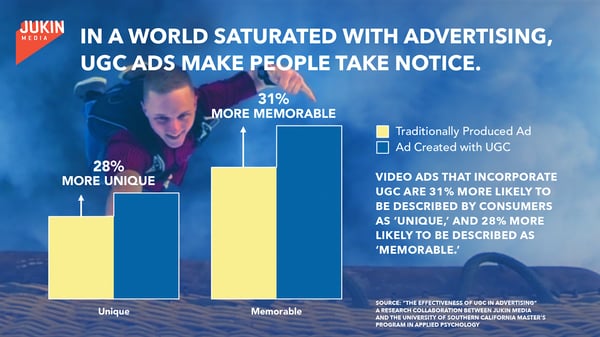
- Ads featuring UGC received 73% more positive comments on social media than traditional ads. ( Jukin Media, 2018 )
- 31% of consumers say ads that contain UGC content are more memorable than traditional ads without. ( Jukin Media, 2018 )
- 28% of consumers say ads containing UGC content are also more unique than ads without this type of content. ( Jukin Media, 2018 )
UGC tactics
- 50% of marketers have used user-generated content in email marketing (Tintup, 2018)
- Meanwhile, 58% of marketers have implemented UGC in advertising campaigns. (Tintup, 2018)
- Nearly half of marketers use UGC to support their overall marketing campaigns. (Tintup, 2018)
- 41% of marketers ranked content engagement as their top key performance metric for tracking user-generated content. (Tintup, 2018)
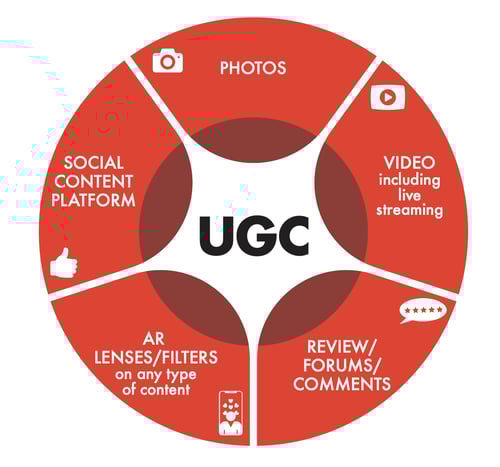
- The most common types of T&Cs are photos, videos, social media content, customer comments or forums, and content created with branded AR filters. ( Iab, 2019 )
Brand authenticity
- 60% of consumers think UGC is the most authentic marketing content. ( Stackla, 2017 )
- 75% of marketers believe that user-generated content looks more authentic than other types of content. (Tintup, 2018)
- Although 92% of marketers believe they are creating authentic content, 51% of consumers believe their favorite brands offer authenticity. ( Stackla, 2020 )
- 57% of consumers believe that less than half of content brands create such authentic resonances. ( Stackla, 2017 )
- Consumers are 2.4 times more likely to say that user-generated content is authentic compared to content created by the brand. ( Stackla, 2020 )
- 56% of Internet users say they find out about products from friends or acquaintances while 32% rely on customer reviews. (Statista, 2020)
- On average, 20% of consumers abandoned a brand on social media because they thought their content wasn’t authentic. ( Stackla, 2017 )
- In 70% of cases, consumers are able to distinguish between content created by the consumer and content created by the brand. ( Stackla, 2017 )
UGC hearing
- Demographically, more Gen Z YouTube viewers prefer UGC over professional videos than older generations. ( YouTube, 2020)
- Globally, Gen Z and millennials watch more user-generated content than Gen X and Boomer generations. ( YouTube, 2020)
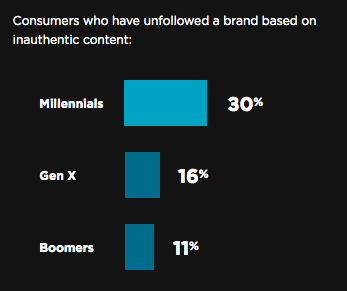
- More than 30% of millennials have abandoned a brand due to inauthentic content. ( Stackla, 2017 )
Setting a user-generated content strategy
As you can see in the statistics above, user-generated content not only saves you production time, but it can also make your brand more authentic and reliable.
If the above data convinced you to implement UGC in your marketing strategy, here are some steps to follow:
- Take inspiration from other brands: seeing successful examples of UGC from brands in a similar industry will give you an idea of which customers to contact and how to amplify their positive thoughts about your product. See here the example of a world-famous brand.
- Determine how you will get the content: will you encourage fans to send you videos on social media, run a content-related contest, or directly ask your customers to promote a product via email?
- Be authentic:
UGC is the acronym or shortcut for "User Generated Content". UGC therefore refers to all content created by visitors on e-commerce or brand sites as well as content posted on community or exchange spaces such as forums or social media. Les réseaux sociaux, les forums, les vidéos personnelles sur les plate-formes type Youtube, les albums photos publics, les avis consommateurs, les commentaires d'articles ou de blogs sont basés sur des contenus UGC. Depending on the contexts of use, UGC content can mainly respond to two non-exclusive logics. They first make it possible to generate content at reduced costs (excluding hosting, moderation and maintenance costs) since they are produced by visitors. This content can then be the source of potential advertising revenue. (Source: definitions-marketing.com)
Personally and I am not the only one in this situation, regarding small purchases, I seek to know the opinions of consumers about the product I wish to buy to help me choose. And if I find content written by a consumer who evaluates precisely this same product, thanks to content which is much more than a simple comment on an e-commerce site, but rather an article or a page from the blog of this same person who answers my questions, there is a good chance that I will become an aficionado of the brand or product.
This content, which is then truly UGC, is the most powerful way to promote a brand. This promotional content, created by customers, has the advantage of showing what the product looks like in real life and demonstrates satisfaction and their realistic opinion of their « consumer experience ». Without being an advertisement, this content demonstrates the trust that customers have for the brand in question.
And I’m not the only consumer (or marketer) who thinks that. It is estimated that 90% of consumers say user-generated content (UGC) has more influence on their purchasing decisions than promotional emails and even search engine results.
Below I will highlight more statistics, facts and figures that demonstrate the benefits of user-generated content.
23 user-generated content statistics to know in 2020
Benefits of user-generated content
- Consumers find UGC 9.8x more impactful than influencer content. ( Stackla, 2020 )
- 79% of people say UGC has a big impact on their purchasing decisions ( Stackla, 2020 )
- 48% of marketers believe that content created by customers can help humanize their marketing. (Tintup, 2018)
- 34% of TINT users surveyed and 45% of marketers agreed that UGC helps increase key social media KPIs. (Tintup, 2018)
- 42% of marketers say user-generated content is an essential part of their marketing strategy. (Tintup, 2018)
- Ads featuring UGC received 73% more positive comments on social media than traditional ads. ( Jukin Media, 2018 )
- 31% of consumers say ads that contain UGC content are more memorable than traditional ads without. ( Jukin Media, 2018 )
- 28% of consumers say ads containing UGC content are also more unique than ads without this type of content. ( Jukin Media, 2018 )
UGC tactics
- 50% of marketers have used user-generated content in email marketing (Tintup, 2018)
- Meanwhile, 58% of marketers have implemented UGC in advertising campaigns. (Tintup, 2018)
- Nearly half of marketers use UGC to support their overall marketing campaigns. (Tintup, 2018)
- 41% of marketers ranked content engagement as their top key performance metric for tracking user-generated content. (Tintup, 2018)
- The most common types of T&Cs are photos, videos, social media content, customer comments or forums, and content created with branded AR filters. ( Iab, 2019 )
Brand authenticity
- 60% of consumers think UGC is the most authentic marketing content. ( Stackla, 2017 )
- 75% of marketers believe that user-generated content looks more authentic than other types of content. (Tintup, 2018)
- Although 92% of marketers believe they are creating authentic content, 51% of consumers believe their favorite brands offer authenticity. ( Stackla, 2020 )
- 57% of consumers believe that less than half of content brands create such authentic resonances. ( Stackla, 2017 )
- Consumers are 2.4 times more likely to say that user-generated content is authentic compared to content created by the brand. ( Stackla, 2020 )
- 56% of Internet users say they find out about products from friends or acquaintances while 32% rely on customer reviews. (Statista, 2020)
- On average, 20% of consumers abandoned a brand on social media because they thought their content wasn’t authentic. ( Stackla, 2017 )
- In 70% of cases, consumers are able to distinguish between content created by the consumer and content created by the brand. ( Stackla, 2017 )
UGC hearing
- Demographically, more Gen Z YouTube viewers prefer UGC over professional videos than older generations. ( YouTube, 2020)
- Globally, Gen Z and millennials watch more user-generated content than Gen X and Boomer generations. ( YouTube, 2020)
- More than 30% of millennials have abandoned a brand due to inauthentic content. ( Stackla, 2017 )
Setting a user-generated content strategy
As you can see in the statistics above, user-generated content not only saves you production time, but it can also make your brand more authentic and reliable.
If the above data convinced you to implement UGC in your marketing strategy, here are some steps to follow:
- Take inspiration from other brands: seeing successful examples of UGC from brands in a similar industry will give you an idea of which customers to contact and how to amplify their positive thoughts about your product. See here the example of a world-famous brand.
- Determine how you will get the content: will you encourage fans to send you videos on social media, run a content-related contest, or directly ask your customers to promote a product via email?
- Be authentic: remember, the greatest strength of user-generated content is that it allows audiences to have an authentic view of your product. Don’t be afraid to promote UGC which might be of lower quality but highlights all the best features of your brand or product.